
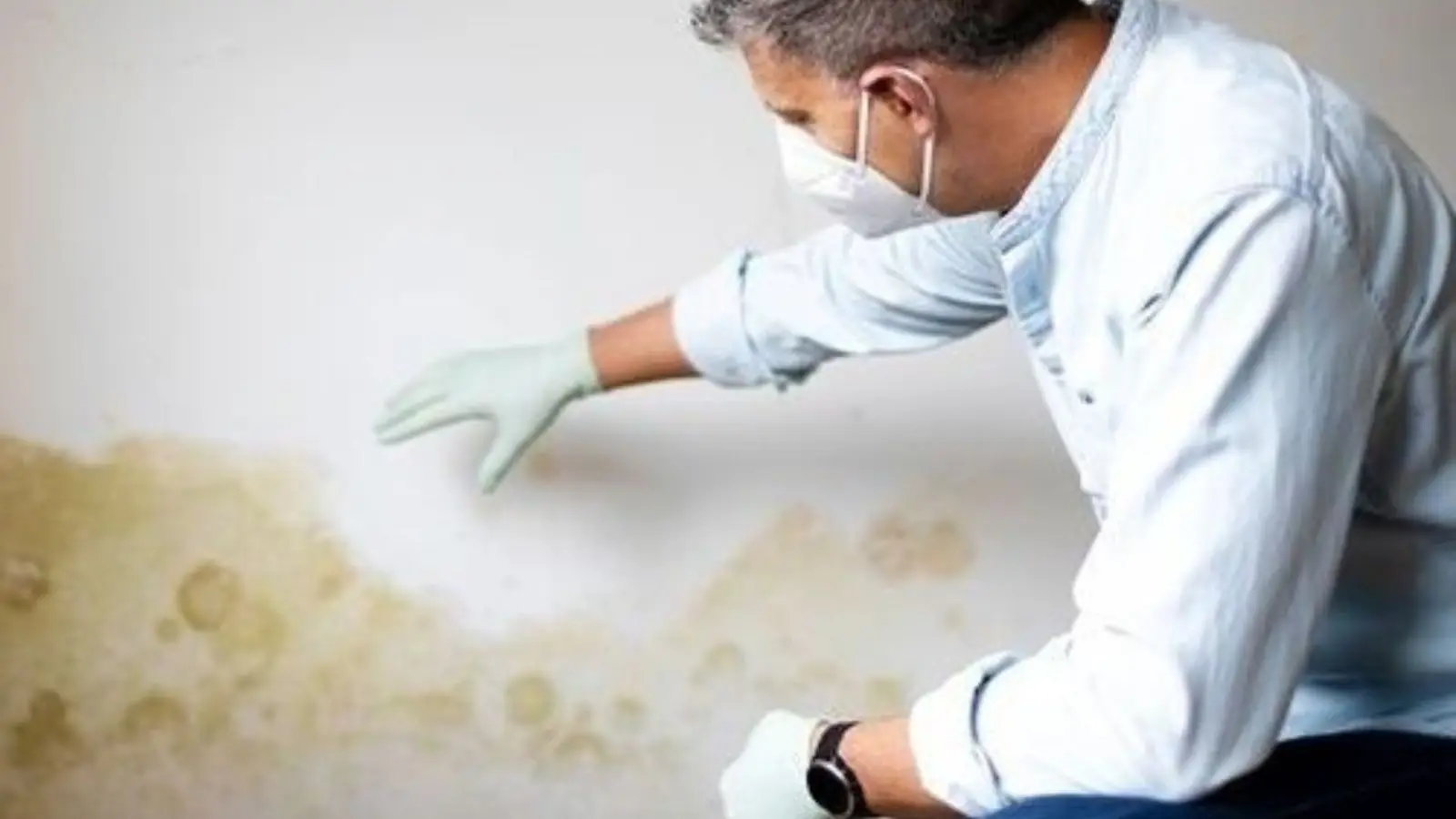
The signs of water damage in walls in West Hollywood, CA include stains, bubbling or peeling paint, warped baseboards, soft drywall, a musty smell and hairline cracks. Water damage in a wall is moisture trapped inside the drywall, plaster, insulation or framing, often from a pipe, fixture or exterior leak.
Many leaks begin out of sight and show only a faint mark at first. Catching the early signs keeps a small repair from turning into a wall rebuild. This guide lists the signs, how to test for a leak yourself, and how pros confirm what is behind the surface.
Eight signs worth taking seriously
- A yellow, brown or gray stain that is spreading, or a ring with a darker edge
- Paint that bubbles, blisters or peels, especially low on the wall or near a bathroom
- Baseboards that lift, warp or separate from the wall
- Drywall that feels soft, spongy or cool and damp to the touch
- A musty odor that gets stronger when a nearby faucet, shower or appliance runs
- Hairline cracks or loose tape joints that were not there before
- Wallpaper seams that curl, or tile that loosens around a tub or shower
- A water bill or meter reading that climbs with no change in how you use water
One sign alone can have a harmless cause, such as a single scuff or a humid week. Two or three together, or any sign that keeps changing, deserves a closer look. A sudden bulge or sag is different and counts as an emergency.
Match the sign to the likely cause
| Sign | Likely cause | Next step |
|---|---|---|
| Spreading stain on an inside wall | Leaking supply or drain line in the cavity | Run the meter test below, then call for a moisture check |
| Bubbling paint low on an exterior wall | Water entering through siding, a window seam or the foundation line | Look outside for open seams and gaps, and have the wall tested |
| Warped baseboard near a kitchen or bath | Dishwasher, sink or tub leak soaking the base of the wall | Check under the sink and behind appliances, then dry the wall |
| Musty smell with no visible stain | Hidden moisture, sometimes from a condensation line or pipe sweat | Have a technician scan with a thermal camera and meter |
| Soft drywall, damp to the touch | Active or recent leak | Shut off the suspected source and request dispatch |
| Hairline cracks and loose tape | Drywall that absorbed moisture and shifted | Test for moisture before patching anything |
Cracks and stains can also come from settling or old repairs. Only a moisture reading separates old marks from active leaks.
A simple meter test for a hidden leak
This check helps you decide whether water is moving through a pipe you cannot see. It takes a few minutes and costs nothing but time.
- Turn off every faucet, appliance and fixture that uses water, including ice makers and irrigation.
- Find the water meter and write down the reading or note where the small leak indicator sits.
- Wait for at least an hour without using any water.
- Check the meter again. Any movement means water is going somewhere, and a hidden leak is likely.
A moving meter does not say where the leak is, only that one exists. The next step is a technician with a moisture meter and thermal camera who can trace the wet area without cutting into the wall first.
Seeing two or more of these signs?
Call the 24/7 line and describe them. A crew can be dispatched when available.
How pros confirm what is behind the wall
A pin-type or pinless moisture meter reads moisture inside drywall and wood without much damage. A thermal camera shows cool, wet areas as color patterns on the wall. Together they let a crew map the wet zone before deciding where, or whether, to cut.
If readings confirm moisture, the next phase is drying with air movers and dehumidifiers, called water mitigation. Once the wall tests dry, the surface is rebuilt through water damage repair. Neighbors in Beverly Hills use the same sequence, as described on the page for water damage restoration in Beverly Hills.
What to do while you wait
Do not cut into the wall to look. A hole made in the wrong spot can spread moisture, release wet insulation and make the later repair larger. Let a technician decide where to open it.
Move furniture off the wall and keep air moving in the room. Do not run a heater at a wet wall, since fast, hot drying can crack plaster and warp wood. Photograph every sign with the date, and write down when you first noticed each one. That record helps a crew, a landlord and an insurer understand how long the problem has been developing.
Older homes and two utilities, one meter test
The City of West Hollywood's 2023 Local Hazard Mitigation Plan describes most single-family homes and duplexes as small and dating from the 1920s, and says older homes were not built for the extreme events already occurring. In houses of that age, plaster-and-lath walls and older galvanized or cast iron plumbing are plausible, which is a good reason to treat any wall stain as worth checking.
The city's water conservation page says the Los Angeles Department of Water and Power serves most areas of West Hollywood, while Beverly Hills Water serves certain areas on the west side. Either way, the meter test above works the same: your utility's meter is the one to read, so check which provider appears on your bill before you start.
Sources: City of West Hollywood Local Hazard Mitigation Plan (2023). City of West Hollywood water conservation page.
Common questions from West Hollywood readers
Is a small wall stain a real problem?
It can be. A stain that grows, darkens or returns after painting points to active moisture. A dry, unchanged ring may be old, but only a moisture reading can tell the difference.
Can water damage in a wall happen with no visible stain?
Yes. Water can run down inside a cavity for a long time before it reaches the surface. A musty smell, warped baseboard or climbing water bill can be the first clue.
What does a moisture meter do?
It measures how much moisture sits in drywall, plaster or wood. Technicians compare readings against dry material nearby to see how far the wet zone runs.
When is a wall leak an emergency?
If the wall is sagging, wet near outlets or switches, or water is visibly flowing, treat it as one. Keep people away, shut off the suspected source and call for dispatch.
How do I know which utility to check in West Hollywood?
Look at your water bill. The city says LADWP serves most areas and Beverly Hills Water serves certain areas on the west side, and the meter on your bill's account is the one to read.